The Ultimate Guide to Music Therapy for Stress Relief in 2026
Let’s be honest: you are probably reading this with a tight jaw, a racing mind, or a knot in your stomach. Stress has become the unwelcome background noise of modern life. We try meditation, we try breathing exercises, but sometimes, the silence is too loud, and our thoughts are too chaotic to simply “switch off.”
What if the relief you are looking for isn’t in silence, but in sound?
For centuries, music has been a universal language of emotion. But in 2026, we have more scientific evidence than ever before that music isn’t just a mood booster—it is a powerful, physiological tool for stress management. This isn’t about being a musician or having a “good ear.” This is about using the vibration, rhythm, and melody of music to hack your nervous system and pull it out of “fight or flight” mode.
In this guide, I’m going to walk you through exactly how to use music therapy techniques at home, not as a passive listener, but as an active participant in your own anxiety relief. We’ll cover the science, the step-by-step methods, and the mistakes you are probably making right now (hint: listening to sad songs when you are sad isn’t always the best move).
The Science of Sound: Why Music Calms Your Nervous System
Before we dive into the “how,” let’s briefly touch on the “why.” When you hear a sudden loud noise, your body releases cortisol (the stress hormone). But when you listen to music that you find pleasant, your brain releases dopamine (the reward chemical) and reduces cortisol levels significantly.
However, the most profound effect happens in the brainstem. Our heart rate and breathing naturally sync to the rhythm of the music we are listening to—a phenomenon called “entrainment.” If you listen to a fast, aggressive beat, your heart rate increases. Conversely, if you listen to a slow tempo (around 60 beats per minute), your heart rate slows down, signaling to your brain that it is safe to relax. This is not a placebo; it is a biological response that makes music therapy one of the most effective and accessible relaxation techniques available today.
Practical Step-by-Step Techniques for Immediate Relief
You don’t need a clinical therapist to benefit from music therapy principles. Here are four actionable techniques you can implement today. These are designed to move you from a state of mental stress to physical calm.
Technique 1: The 3-Minute “Pulse Reset” (For Acute Stress)
When you are in the middle of a stressful moment—a deadline, an argument, or a panic attack—your pulse is racing. You need to reset it fast.
- Step 1: Put on headphones immediately. Do not scroll for the perfect song. Choose a track with a clear, steady beat of 60 BPM (Beats Per Minute). Search for “60 bpm music” on any streaming service.
- Step 2: Close your eyes. Take a deep inhale for 4 counts, and exhale for 6 counts. Focus entirely on the beat of the music.
- Step 3: Visualize your heartbeat syncing with the music. Do this for exactly 3 minutes. You will feel your physical heart rate literally slow down to match the track.
Technique 2: The “Lyric-Free” Zone (For Anxiety Relief)
If you are feeling anxious, your mind is likely already overactive with words—internal chatter, worries, and to-do lists. Listening to music with lyrics adds more words to that cognitive load.
For this technique, choose instrumental genres like ambient, classical, or lo-fi. The goal is to create a “sound blanket” that covers the silence without engaging your language centers. This allows your brain to rest from linguistic processing, which is a primary driver of stress reduction.
Technique 3: Rhythmic Breathing (The 4-7-8 Method)
This combines breathwork with music. Find a track with a slow, ambient drone or a simple repetitive rhythm.
- Inhale: Breathe in for 4 counts.
- Hold: Hold your breath for 7 counts.
- Exhale: Exhale slowly for 8 counts.
The music acts as a metronome for your breath. This pattern increases oxygen intake and activates the parasympathetic nervous system, which is responsible for rest and digestion. This is one of the most effective coping strategies for chronic stress.
Technique 4: The “Active Listening” Session (For Mindfulness)
Most of the time, we listen to music as a distraction while doing other things. To turn music into mindfulness, you must listen with intention.
Sit in a comfortable chair. Put on a piece of complex music (like classical or jazz). Close your eyes and focus on one single instrument at a time. First, follow the violin. Then, try to isolate the cello. This act of focused attention forces your brain to stop future-tripping (worrying about tomorrow) and past-dwelling (regretting yesterday), anchoring you firmly in the present moment.
Comparing Music Therapy Techniques: Which One Do You Need?
To help you decide which method to use, I have created a quick comparison table. Keep this handy for when you feel overwhelmed and can’t think straight—just look at the table and pick the one that matches your current state.
| Technique | Best Used For | Music Type | Time Needed | Primary Benefit |
|---|---|---|---|---|
| Pulse Reset | Acute panic, high anxiety, racing heart | 60 BPM (Beats Per Minute) instrumental | 3-5 minutes | Lowers heart rate immediately |
| Lyric-Free Zone | Overthinking, mental chatter, work stress | Ambient, Lo-Fi, Classical | 20-30 minutes | Reduces cognitive load |
| Rhythmic Breathing | General tension, sleep preparation | Slow drone, nature sounds with rhythm | 5-10 minutes | Activates the relaxation response |
| Active Listening | Deep mindfulness, emotional processing | Jazz, Orchestral, Complex Rock | 15-20 minutes | Anchors you in the present moment |
The Unexpected Benefits Beyond “Feeling Calm”
While we are focusing on stress relief, the benefits of a consistent music practice extend far beyond the immediate calm. When you use music as a stress management tool, you are actually building long-term mental resilience. Here are the hidden benefits you will notice after a few weeks of practice:
- Improved Sleep Quality: By lowering cortisol levels before bed, you prevent the “3 AM wake-up” that is often caused by stress hormones.
- Enhanced Focus: Using the “Lyric-Free” technique during work trains your brain to enter a “flow state” more easily, making you more productive and less stressed about deadlines.
- Emotional Release: Music provides a safe container for emotions. Crying to a powerful piece of music can be cathartic and release pent-up tension that you didn’t realize you were holding.
- Lowered Blood Pressure: Studies show that consistent listening to relaxing music can contribute to lower resting blood pressure, reducing the physical toll of chronic stress on your heart.
- Increased Pain Tolerance: Music acts as a natural analgesic. By distracting the brain’s pain pathways, it can reduce the perception of physical discomfort often exacerbated by stress.
Common Mistakes to Avoid in Music Therapy
I see people making the same mistakes when they try to use music for anxiety relief. They then conclude that “music doesn’t work for them,” when in reality, they are just using it incorrectly. Here are the critical pitfalls to avoid:
- Mistake #1: Reinforcing Negative Moods. If you are angry, listening to angry music might feel good in the moment, but it keeps your nervous system in a state of arousal. If you are sad, sad music can deepen depression. For stress reduction, always choose music that is *slightly* calmer than your current mood, or entirely neutral.
- Mistake #2: Using Music as a Distraction. If you put on relaxing music while scrolling through stressful news on your phone, you are not doing music therapy. You are just having a soundtrack to your anxiety. The music must be the *primary* focus.
- Mistake #3: Ignoring Volume. Listening to music too loudly triggers the startle reflex in the inner ear, which actually increases stress hormones. Keep the volume at a level where you can easily hold a conversation (around 40-50 dB).
- Mistake #4: Not Using Headphones. In 2026, we have access to high-fidelity headphones and spatial audio. Using headphones is crucial for “Active Listening” because it removes ambient noise and allows the music to fully envelop your senses, creating an immersive sound bath.
- Mistake #5: Forcing a Genre. Just because “classical is relaxing” doesn’t mean it relaxes *you*. If you hate violins, don’t listen to them. The stress-relieving effect is highly correlated with personal preference. If heavy metal calms you down (and for some, it does), that is valid.
Tips for Beginners: Building Your 2026 Stress-Relief Playlist
Starting a music therapy practice can feel overwhelming. You don’t need to become a musicologist. You just need a strategy. Here is how to build your toolkit for stress reduction today:
- Create Three Playlists: Do not rely on one “Chill” playlist. Create De-Stress (for after work), Focus (for deep work), and Sleep (for bedtime). This removes decision fatigue when you are stressed.
- Start with Nature Sounds: If you are new to instrumental music, start with sounds like rain, ocean waves, or wind. These are “pink noise” and are deeply soothing to the human brain because they mimic natural environments.
- Use the “Gym” Method: Think of music therapy like exercise. You wouldn’t lift the heaviest weight on day one. Start with 5 minutes of active listening a day. Gradually increase to 15 minutes as you build your “attention muscle.”
- Experiment with 432Hz Tuning: While scientifically debated, many listeners find that music tuned to 432Hz (as opposed to the standard 440Hz) feels “warmer” and less harsh. Try it out and see if it resonates with you. It can be a great tool for mental health practices.
- Incorporate Movement: If you are highly stressed, sitting still is hard. Put on a rhythmic track and just sway gently. The combination of rhythmic movement and music is a powerful way to release physical tension stored in the muscles.
Conclusion: Your Soundtrack to a Calmer Life
Stress is not a sign of weakness; it is a sign that you are human. But you do not have to be a passive victim of your stress. Music therapy offers a drug-free, accessible, and scientifically proven path to reclaiming your calm.
In a world that is constantly shouting for your attention, music gives you permission to turn down the volume on the outside world and turn up the volume on your inner peace. Whether it is three minutes of rhythmic breathing or a half-hour of active listening, you are not just “listening to tunes”—you are actively regulating your nervous system and building resilience against the inevitable stressors of life.
I encourage you to start today. Not tomorrow, not on Monday. Right now. Put on your headphones, choose one technique from the table above, and give yourself the gift of five minutes of intentional sound. Your mind, your body, and your future self will thank you. You deserve that relief.
Related Articles You Might Find Helpful
- The Ultimate Guide to Digital Detox for Stress Relief in 2026
- Understanding the Stress-Eating Cycle: Why We Reach for Food When Overwhelmed
For more support on your journey, explore A Single Parent’s Quest for Happiness by Sarah Abraham — available now on Google Play Books.
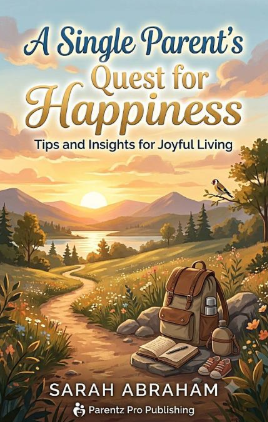
Find Calm and Happiness
Discover practical strategies for managing stress and finding joy as a single parent. This heartfelt ebook by Sarah Abraham offers the guidance you need.
Disclaimer: This article is for informational purposes only and does not constitute medical advice. Always consult with a qualified healthcare professional regarding your mental health.
Leave a Reply